
Steps to Perform Workplace Safety Inspections

Safety is non-negotiable. Every day on site, risks lurk. I know this well. That’s why I follow a clear, effective process for safety inspections. It saves lives. It prevents injuries. It protects teams. Here’s how I do it.
Effective Safety Inspection Steps: The Foundation
Start strong. Preparation is key. I gather all necessary tools and documents. This includes checklists, safety manuals, and personal protective equipment (PPE). I review past inspection reports to spot recurring issues. Knowing history helps me focus on problem areas.
Next, I notify the team. Communication sets the tone. Everyone must know when and why the inspection happens. This builds trust and cooperation.
Then, I map the inspection route. I plan to cover all critical zones: machinery areas, storage, walkways, and emergency exits. No corner gets missed.
Key tools I use:
Digital checklist apps for real-time notes
Camera for photo evidence
Measuring tape for spacing and clearance checks
PPE for personal safety
Preparation means fewer surprises. It means a smoother inspection.
Step-by-Step Safety Inspection Process
I break the inspection into clear steps. This keeps me focused and thorough.
Visual Scan
I start with a quick visual sweep. Look for obvious hazards: spills, clutter, damaged equipment. This sets the stage.
Detailed Check
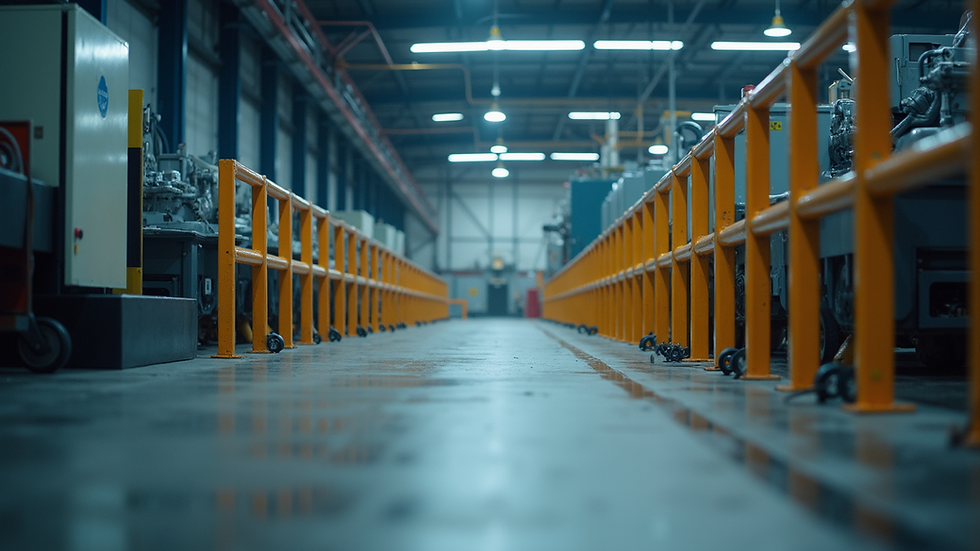
I use my checklist here. I inspect equipment condition, guardrails, signage, and lighting. I verify that safety protocols are followed.
Employee Practices
I observe workers. Are they wearing PPE? Following safe procedures? Sometimes, behavior reveals hidden risks.
Documentation Review
I check maintenance logs, training records, and incident reports. This confirms compliance and highlights gaps.
Risk Identification
I note all hazards. I classify them by severity and urgency. This helps prioritize fixes.
Immediate Action
If I find critical dangers, I act fast. I stop work if needed and alert supervisors.
Report Writing
I compile findings into a clear, concise report. I include photos and recommendations.
Follow-Up Plan
I schedule re-inspections and track corrective actions. Safety is ongoing.
This methodical approach ensures nothing slips through the cracks.
Tools and Techniques for Better Inspections
Technology boosts efficiency. I rely on digital tools to streamline inspections.
Mobile apps let me fill checklists on the go. They sync with cloud storage for easy access.
Drones provide aerial views of large sites. They spot hazards from angles I can’t reach.
Thermal cameras detect overheating equipment before failure.
Wearable sensors monitor worker vitals and alert to unsafe conditions.
I combine these with traditional methods. The goal: faster, smarter inspections.
Training is vital too. I keep my skills sharp with regular courses. I also train team members to spot risks early.

How to Engage Teams in Safety Inspections
Safety is a team effort. I involve workers at every step. Their insights are invaluable.
I hold briefings before inspections. I explain what to expect and why it matters.
I encourage workers to report hazards anytime. I provide easy channels for this.
I recognize safe behaviors publicly. Positive reinforcement motivates everyone.
I invite feedback on safety processes. This builds ownership and trust.
When teams feel involved, compliance improves. Hazards get reported faster. Culture shifts toward prevention.
Beyond the Inspection: Building a Safer Workplace
Inspection is just the start. I use findings to drive continuous improvement.
I prioritize fixes based on risk level and impact.
I update safety policies regularly.
I invest in better equipment and training.
I track safety metrics to measure progress.
Remember, a workplace safety inspection is a tool. The real goal is a culture where safety is second nature.
Safety is proactive. It’s about spotting risks before they cause harm. It’s about protecting every worker, every day.
Taking Safety to the Next Level
I don’t settle for minimum standards. I push for excellence. I use data from inspections to innovate. I explore new technologies and methods. I collaborate with experts and peers.
Safety is a journey. Every inspection is a step forward. Every action counts.
Stay vigilant. Stay prepared. Stay safe.


Comments